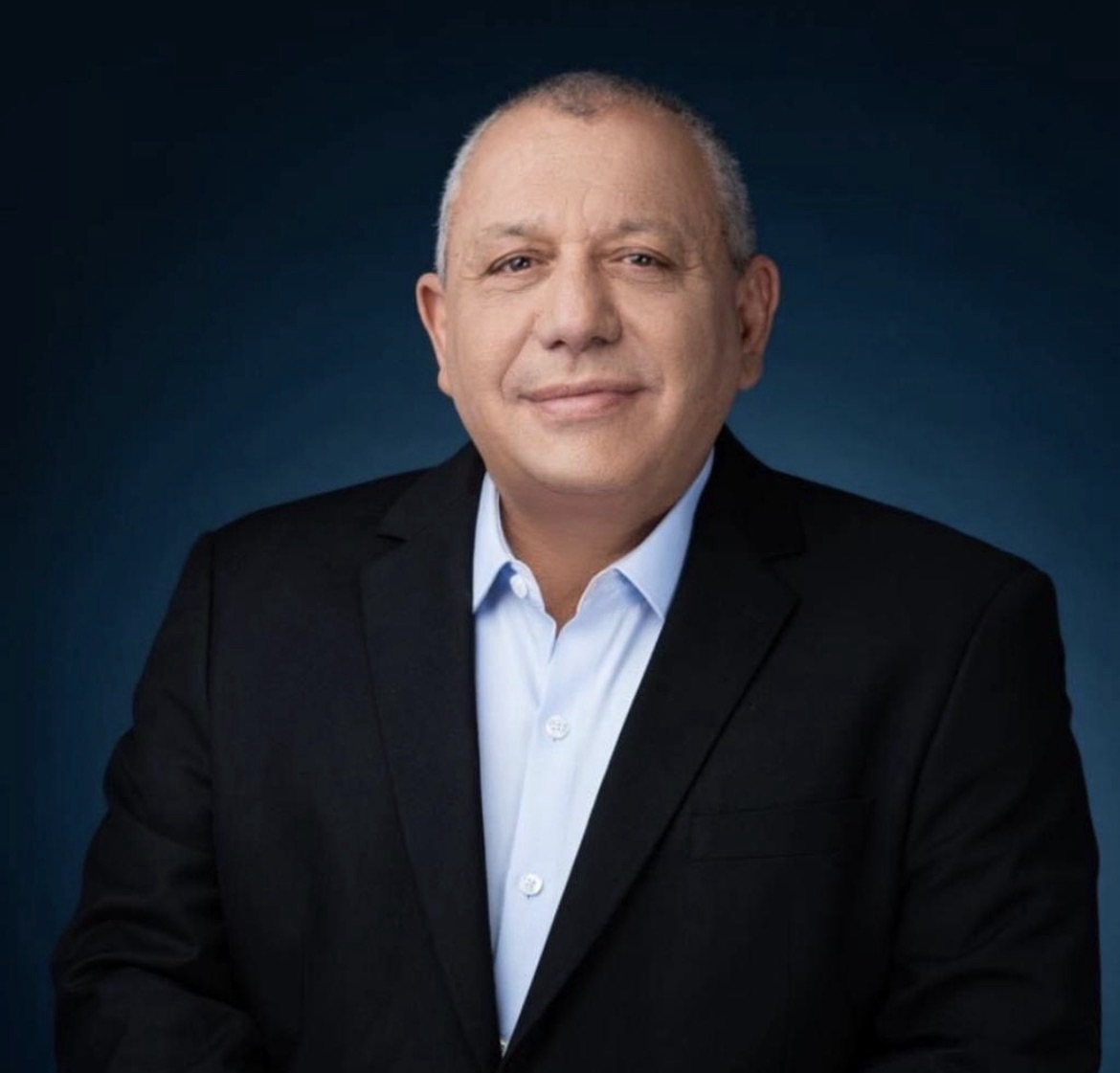

Israeli President Isaac Herzog has selected opposition leader Gadi Eisenkot to form the country’s next government, dealing a major political setback to Prime Minister Benjamin Netanyahu following a parliamentary election that failed to produce a clear majority.
Herzog announced the decision on Saturday, November 7, 2026, after consultations with political parties represented in Israel’s 120-member parliament, the Knesset.
Eisenkot, leader of the Yashar party and a former Chief of Staff of the Israel Defence Forces (IDF), received the backing of lawmakers representing 67 seats during the consultations, compared with 46 who supported Netanyahu. Another seven lawmakers declined to endorse either candidate.
The October 27 election left Netanyahu’s right-wing and religious alliance with 53 seats, while the opposition bloc led by Eisenkot secured 48 seats. Arab-led political parties won a combined 19 seats, placing them in a potentially decisive position in determining the next government.
Under Israel’s parliamentary system, a government requires the support of at least 61 lawmakers in the 120-member Knesset to secure a majority.
Herzog is expected to formally hand Eisenkot the mandate on Sunday, November 8. He will have 28 days to negotiate with political parties and assemble a coalition, with the possibility of a 14-day extension.
However, Eisenkot faces considerable challenges in securing the necessary support. Although Arab-led parties endorsed his candidacy, some members of his opposition alliance have reservations about cooperating with them in a governing coalition.
The political divisions also extend to ultra-Orthodox parties, particularly over disagreements surrounding exemptions from compulsory military service for ultra-Orthodox Jewish men. United Torah Judaism, a longstanding ally of Netanyahu, declined to recommend him during the presidential consultations.
Despite the setback, Netanyahu’s Likud party remains the largest individual party in parliament, with 27 seats. He will continue serving as prime minister in a caretaker capacity until a new government is successfully formed and inaugurated.
Eisenkot, 66, previously served as Israel’s military chief and was a member of Netanyahu’s wartime cabinet following the Hamas-led October 7, 2023 attacks. He later emerged as a prominent critic of the prime minister’s leadership and handling of the Gaza conflict.
If successful, Eisenkot’s emergence as prime minister would mark a significant change in Israel’s political leadership. His administration would inherit major security and diplomatic challenges, including the situation in Gaza, tensions with Iran, the conflict involving Hezbollah in Lebanon and Israel’s relations with neighbouring Arab countries.
Should Eisenkot fail to secure the required parliamentary support within the stipulated period, another candidate could be invited to attempt to form a government. Continued failure could eventually lead to fresh elections.
Sources: Global Tracker +3
Original report: Global Tracker – Israel political development