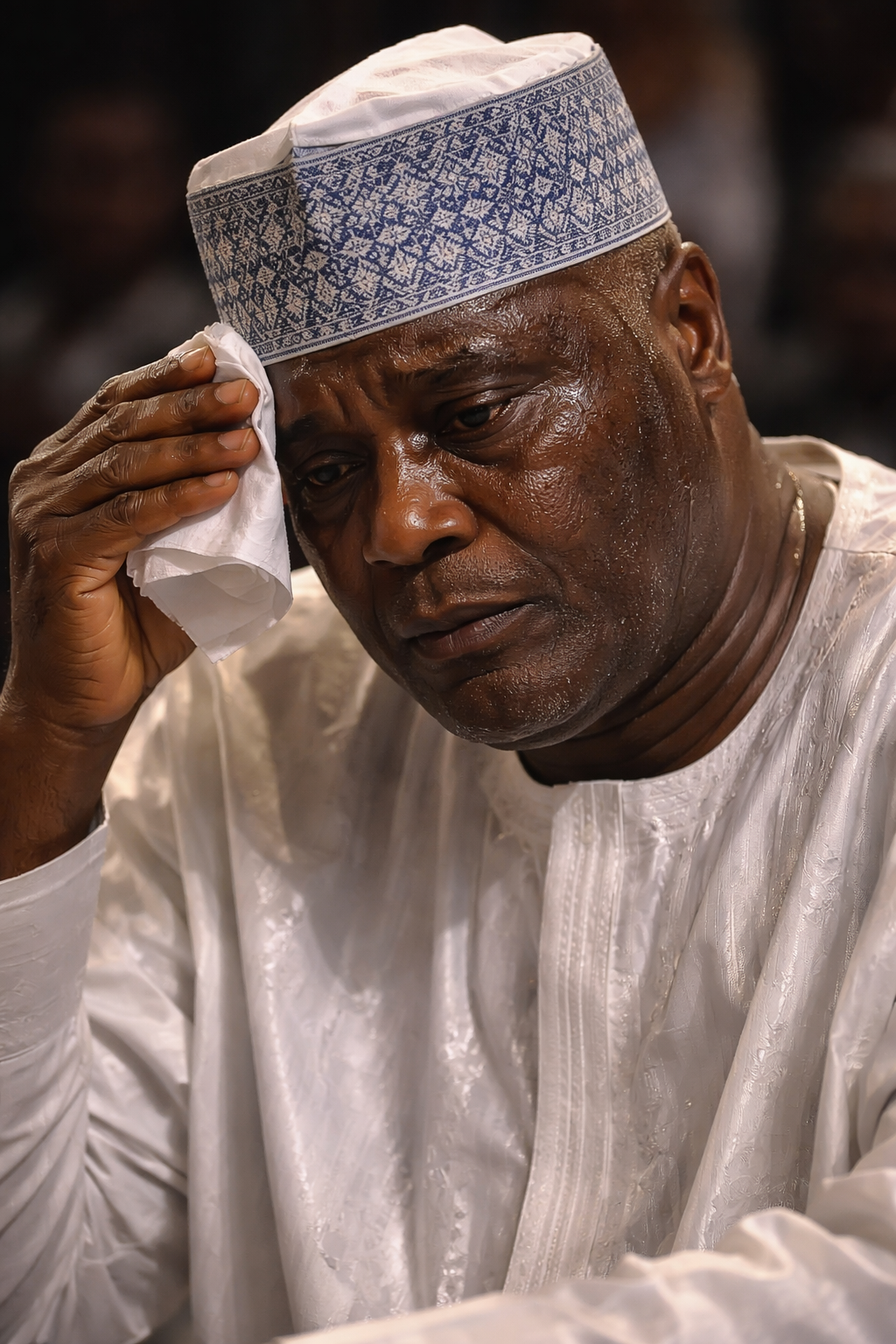

If political loyalty were a sport, Atiku Abubakar would have a wardrobe full of jerseys, each worn just long enough before the next transfer window opened.
His journey resembles a continuous cycle:
(PDP)—the place where the journey to power began.
(AC) — a swift diversion when faced with discomfort, as addressing internal issues is less appealing than merely altering the signboard?
(PDP) — back again, proving that in politics, old doors are never really closed, just temporarily ignored.
(APC) — another strategic move, perfectly timed with presidential ambitions. Coincidence? Of course not.
(PDP) — a return trip, because apparently the grass keeps looking greener where he just left.
(ADC) — the latest bus stop on this never-ending political shuttle, perhaps dressed up as a fresh start, but feeling more like a sequel nobody asked for.
To critics, this pattern doesn’t signal flexibility; it signals desperation, a constant search for the most convenient launchpad rather than a commitment to a clear ideology or national vision.
There’s also a recurring accusation that within party structures, Atiku has consistently wielded significant influence during primaries, shaping outcomes and sidelining rival contenders. That, critics argue, explains why he so often emerges as the party’s flag bearer, not necessarily because the field is empty, but because the field is carefully arranged.
Even his former principal, Olusegun Obasanjo, has at different times cast doubt on his leadership qualities. When a political mentor turns into a public skeptic, it lingers like a stubborn echo.
Despite all these political migrations, many Nigerians remain unconvinced about his suitability for leadership. The repeated bids and shifting platforms have not translated into broad trust or acceptance at the highest level.
His recent statement that he will step away after the 2027 election has not diminished the skepticism that still surrounds him. Given his history, some see that promise as written in pencil rather than ink, easily erased if another political opportunity appears. It wouldn’t surprise critics if yet another party switch is framed as a “fresh comeback.”
At some point, even the most experienced traveler must retire. For many observers, that time, at least politically, has already arrived. The question remains whether he will heed the signs or continue to pursue the limelight. As the political landscape evolves, it becomes increasingly imperative for leaders to recognize when to pass the torch and allow new voices to emerge.